
Ultrasonic plug-ins promise to drive mice out with sound. The honest answer, backed by studies and regulators, is no — they don’t reliably work, and relying on one lets an infestation grow.
Key Takeaways
- They don’t reliably repel mice. Studies show little to no lasting effect, and the FTC has warned manufacturers their claims lack scientific support.
- Sound doesn’t pass through walls and pests acclimate within days — so any initial effect fades.
- Mice nest behind those same walls, in the “shadow zones” the sound can’t reach.
- What works: traps plus sealing entry points and removing food.
How Ultrasonic Cockroach Repellent Works?
Ultrasonic repellent (as claimed by its manufacturer) transmit sound waves beyond Human detectable frequency range, usually above 20 KHz.
Humans might not feel this sound, but it creates tensions among different pest and make them confused and even kill them. But this claim seems to be false as proved in this study.
The frequency range and deliverability of these waves are also questionable. For example, these waves can’t travel if there is a metal or wood in the middle. Now cockroaches like to hide in a crack & crevice, behind kitchen sink and cabinet, under sewerage place and other crazy places where it is almost impossible for these waves to travel.
As per manufacturer claims, these waves repel cockroaches without using pesticides or any other insecticide and it is “so-called“ green and environment-friendly product. In reality, it is just another marketing gimmick they are trying to squeeze money out of you.
As you might see a lot of products available in the market, and people are buying it day-in-day out and
You might be asking
Folks who believe in environment-friendly pest control products always look for this type of solution. These are the type of people who are either allergic to insecticide or are scared of the consequences of chemical-based insecticides.
If you are allergic to dust i'd recommend using air purifier. it can work like a charm.
Our take
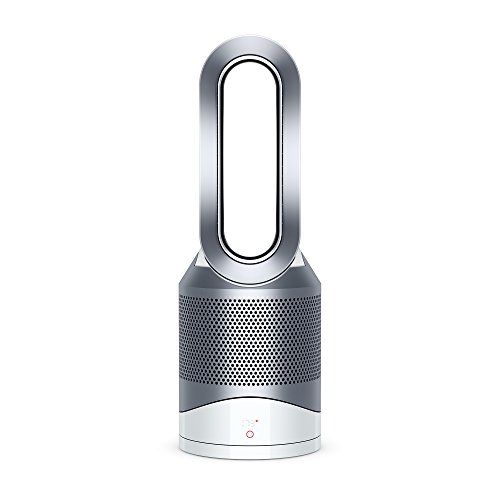
Across 505 verified reviews (3.81★, 66% rated 4★+), buyers most often praise quiet fan and heating feature is great for colder months. The recurring complaint: device turns off on its own, and difficult to connect to the Dyson app.
On the flip side, they do not realize that you can’t get any control using just electronic repellent. Even let’s suppose it work, you have to use an integrated pest management strategy to get control of the pests…
Their biases towards chemical-based insecticide product make them vulnerable to these marketing gimmicks and they end up getting trapped by these companies by offering products that do not work at all!
There is “Natural Product” craze out there. And every company pumping out products and slapping a “natural product” label on its packing.
There is no independent government authority which can differ between chemical-based insecticide and natural pest control products.
It might be a good way for companies to exploit the “environmental sensation” of these people and sell roach repellent with false claims.
Although, FTC did crackdown on these sellers in the past (More on this below). These sellers seem to pop up over and over again.
And these people buy it all day long. Because they are biased towards it. And they believe that you can control cockroach infestation just using plug and play devices.
What 505 verified buyers say
What buyers love
- Quiet fan
- Heating feature is great for colder months
- Timer feature and auto shut off
Common complaints
- Device turns off on its own
- Difficult to connect to the Dyson app
“I enjoy the heating feature during the colder months without having to turn on central air control.”— 5★, Verified Purchase
“This is perfect for my bedroom. Anything Dyson is always great to have.”— 5★, Verified Purchase
Based on our analysis of verified customer reviews — how we research.
Get the How Ultrasonic Cockroach Repellent Works? on Amazon
FTC CrackDown On Ultrasonic Repellent Sellers
Way back in 2001, FTC did a crackdown against ultrasonic pest control devices sellers are sent them a notice to provide any scientific backed proof of these devices.
FTC (Federal Trade Commission) staff found hundreds of sellers online selling these type products and they believe that it is false advertising and against FTC rules (which was proved to be true later)
FTC claimed that all these products are falsely advertised without any proof that it actually works. After these notices ( About 60) were issued, a huge dip was noticed in the number of sellers and sale of these types of products.
Which might pop up over and over again for rodent control product. Because it has mixed results. Even some companies like vector which is a major brand in rodent control seem to be selling these products on the scale. This is the reason because they have some mixed scientific proof that it works on rodents.
But I believe in more independent studies are required to reveal the truth about this phenomenon.
These sellers were asked to provide any scientific study backed proof that this technology can work for insect control. Which these sellers failed to provide and eventually stop selling these products entirely.
What You Should Do?
Before buying these type of products, contact the seller and ask for any scientifically based proof that it works.
I am sure, a scientist can work something out and make better products that actually work in the future. But as a consumer, you should be well educated to save you money time and resources.
This is the reason I started this blog to discuss pest control problems from a consumer standpoint and pinpoint issues and problems in the industry and its products without being too sleazy and pushing out products for sale all day long.
I hope this guide helped you better understand the situation and you are well educated. If you have any issues/concerns please either send me an email or comment here, let's start a conversation!
The step traps and poison can’t replace: seal them out
Traps and bait cut down the rodents already inside, but they don’t stop new ones from coming in. The only permanent fix is exclusion: seal gaps around pipes, vents, and the foundation with steel wool and caulk (a mouse fits through a ¼-inch hole, a rat through ½-inch), add door sweeps, and remove the food and clutter that drew them in the first place (CDC: rodents). Pair trapping with sealing — otherwise you’ll be re-baiting forever.
Frequently Asked Questions
Do ultrasonic pest repellers actually work?
The evidence says no. Independent and university studies have repeatedly found ultrasonic devices do not reliably repel rodents or insects, and the Federal Trade Commission has warned manufacturers about unsupported claims. Any effect tends to be brief as pests habituate.
Why do ultrasonic repellers seem to work at first?
Pests may avoid a new sound briefly, but they habituate quickly and return. That short initial change is easy to mistake for lasting control, which is why the devices keep selling despite weak evidence.
What works instead of ultrasonic repellers?
For rodents: sealing entry points (exclusion), traps, and removing food and water. For insects: targeted baits, sanitation, and EPA-registered products. Proven methods beat gadgets every time.
Are ultrasonic repellers safe for pets?
Most are inaudible and harmless to cats and dogs, though some pets (and animals like hamsters) may hear and be bothered by them. Either way, they are not an effective substitute for real pest control.